Emotions
Activities and resources

Understanding Anger: True or false
This true-or-false quiz is designed to explore various aspects of anger, including its history, biological effects, and management techniques. The quiz covers the role of anger in human emotions, its physiological impact on the body (such as the release of adrenaline and cortisol), and the potential health issues associated with chronic anger. It also delves into anger management in the UK, including available resources like courses and helplines, as well as the effectiveness of techniques such as mindfulness. The aim of this quiz is to provide factual insights into the complexity of anger and how it can be effectively managed in various contexts.

Quiz: Bullying & Cyberbullying
This activity is a true-or-false quiz designed to test and increase awareness about cyberbullying in the UK. It covers key aspects such as the definition of cyberbullying, its legal status, and its impact on mental health. The quiz also examines the responsibilities of social media platforms, the effects of cyberbullying on academic performance, and common misconceptions about who is affected. Additionally, it explores how often cyberbullying is reported and whether it is limited to young people. This activity aims to educate participants on the realities of cyberbullying and promote safer online interactions.

Understanding Depression in the UK: True or False?
This true-or-false quiz focuses on common myths and facts related to depression in the UK. It covers important topics such as the prevalence of depression, its impact on various demographics, and misconceptions about its causes and treatments. The quiz also addresses the effectiveness of treatments like antidepressant medications and the role of exercise, as well as the stigma around seeking help. By offering factual insights, this quiz aims to improve understanding of depression, its effects, and how it can be managed in the UK.
%20(1).jpg)
Mental Health True or False Quiz (UK-Specific)
This activity is a true-or-false quiz designed to test and enhance knowledge about mental health in the UK. It covers key topics such as the prevalence of mental health disorders, common conditions like anxiety and depression, and misconceptions about mental illness. The quiz also explores the impact of social media, the role of exercise in mental well-being, and the accessibility of mental health services. Additionally, it addresses common myths, such as the idea that mental illness is a sign of weakness or that those with mental health issues are always violent. This activity aims to promote awareness and challenge the stigma surrounding mental health.

Hack Your Happy Chemicals: Mindful Mood Booster
This activity introduces participants to the "happy chemicals" in the brain—dopamine, serotonin, oxytocin, and endorphins—and explains how they influence mood and well-being. The resource provides practical, daily activity suggestions to naturally boost these chemicals, such as exercising, expressing gratitude, or spending time with loved ones. Participants can track their progress using a simple tracker sheet, encouraging intentional efforts to prioritize their mental and emotional health.

Wellbeing: Positive Psychology Prompt worksheet conversation tool
Positive psychology conversation worksheet is a tool designed to inspire meaningful dialogue and self-reflection. They encourage individuals to explore strengths, cultivate gratitude, build resilience, and foster positive emotions. Rooted in the principles of positive psychology, these prompts help focus on flourishing and well-being by emphasising strengths, purpose, engagement, and healthy relationships rather than solely addressing challenges.
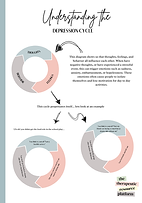
Emotional Wellbeing: Understanding The Depression Cycle
This worksheet activity helps participants understand the depression cycle by exploring how thoughts, feelings, and behaviors influence one another. Using relatable scenarios, participants will identify how negative thinking patterns develop and brainstorm practical ways to break the cycle. This activity encourages personal reflection and builds skills for overcoming emotional and behavioral challenges.

Exploring Loneliness: Disscussion questions
This resource is designed to support clients experiencing isolation, social anxiety, or depression, and helps foster a deeper understanding of loneliness. However, also relies on your role as a practitioner to be sensitive and engage in a way that resonates with your client. This tool is intended to facilitate meaningful discussion and guide a constructive piece of work.


Cycle of Anger - Information Sheet
This activity is designed to help participants identify and understand the stages of the anger cycle, including the thoughts, emotions, and physical reactions that lead to angry behaviour. By breaking down each stage, participants can learn to recognise their own triggers and develop healthier ways to respond to difficult situations.

Anger Thermometer: Recognising The Rise
The Anger Thermometer helps participants recognise the early warning signs of their anger and understand how it gradually builds. By tracking their thoughts, feelings, and behaviours at each level of the scale, they become more aware of their triggers and can learn to intervene before anger becomes overwhelming.

Anger Stop Sign: Catch it Early
This activity helps children and young people recognise the early signs of anger and how it grows over time. Using drawing and writing, participants explore what they look and feel like when their anger is small (mild annoyance) versus when it becomes big (out of control). They also identify their personal "anger stop signs"—physical or emotional clues that signal their anger is building.

Introduction to Anger Management: Understanding Triggers, Reactions & Consequences
This is an interactive therapeutic activity designed to help individuals explore and understand their personal experiences with anger. Participants will identify common triggers, recognise their behaviours when angry, and reflect on the consequences of their actions.
The goal is not to eliminate anger—anger is a normal human emotion. Instead, participants will learn how to become more aware of their anger and its impact, laying the groundwork for healthier coping strategies and anger management skills.

Emotional Wellbeing: Balance Your Thoughts
The Thought Balancing Worksheet is designed to help participants identify, challenge, and reframe negative or unhelpful thoughts. By examining these thoughts from multiple perspectives, individuals can create a more balanced and realistic view, reducing anxiety and promoting healthier thinking. This activity encourages reflection and critical thinking, allowing participants to better understand their automatic thoughts and replace them with more grounded, constructive ones. Using this worksheet with a therapist or in a supportive group can provide valuable insights and strategies for improving mental well-being.

Wellbeing: Positive Psychology Prompt Cards
Positive psychology conversation prompt cards are tools designed to inspire meaningful dialogue and self-reflection. They encourage individuals to explore strengths, cultivate gratitude, build resilience, and foster positive emotions. Rooted in the principles of positive psychology, these prompts help focus on flourishing and well-being by emphasising strengths, purpose, engagement, and healthy relationships rather than solely addressing challenges.

Navigating Stress: Finding Balance and Resilience in Daily Life
This activity is designed to help individuals identify and evaluate their personal stressors and protective factors in order to better understand how they cope with daily pressures. By categorizing stress into Daily Hassles, Major Life Changes, Life Circumstances, and Protective Factors, participants can gain insights into the sources of their stress and what contributes to their well-being. The activity also focuses on recognizing Healthy Coping Strategies and Daily Upliftsthat can promote emotional resilience and reduce stress.

The CBT Triangle Worksheet
The CBT Triangle (Cognitive Behavioral Therapy) illustrates the powerful connection between thoughts, feelings, and behaviours. This activity helps participants recognise how negative thinking can influence emotions and actions, contributing to anxiety or distress. By identifying and reframing these thoughts, participants learn strategies to reduce anxiety and promote positive outcomes.

Emotions: How To Self Regulate
You can feel triggered at any time, and knowing how to self-regulate is crucial for maintaining mental well-being. Triggers can stem from various sources, including past traumas, stressful situations, or unexpected events. When we don't manage our reactions, it can lead to heightened anxiety, emotional outbursts, and strained relationships. Understanding and practicing self-regulation techniques can help you stay calm and centered.

Wellbeing: Activity Name: Thinking Trap Detective
This interactive activity helps participants identify and challenge common negative thinking traps, such as catastrophising, mind reading, and all-or-nothing thinking. By recognising these patterns, participants learn how to reframe negative thoughts into more balanced, realistic perspectives. The activity promotes self-awareness and mental resilience, offering practical strategies to navigate daily challenges and foster a healthier mindset.
.png)
Conversation Cards: Listen & Learn (Parent and Child)
This activity is designed to strengthen the bond between a parent (or guardian) and child by fostering open, meaningful conversations. Through thought-provoking questions, participants gain a better understanding of each other's perspectives and emotions. Both parent and child take turns selecting identical or pre-selected questions and place their answers under "Agree," "Disagree," or "Unsure," while explaining their thought process without interruption.

.jpg)
Understanding Emotions & Their Impact
This activity helps participants explore, identify, and understand their emotions, with a focus on both basic and complex emotions. Through self-reflection, guided discussion, and real-life scenarios, participants gain insight into how emotions influence thoughts, decisions, and behaviour. It encourages emotional literacy, empathy, and self-regulation.

Affirmation Statements
These affirmation words can be used across a range of therapeutic, educational, and creative activities to encourage positive self-talk, build emotional resilience, and boost confidence. They work well in affirmation art projects, morning check-ins, reflective discussions, journaling exercises, mindfulness practices, and even group activities like compliment circles. Whether used in 1:1 sessions or group settings, affirmations offer a gentle and empowering way to support wellbeing and self-esteem. This practitioner’s instruction guide offers positive prompts to help you effectively plan and facilitate a session.


The Anxiety Trap: Cycle of Avoidance
This reflective activity helps participants understand the Cycle of Avoidance, a common pattern in anxiety where short-term relief from discomfort reinforces long-term anxiety. By recognising the stages—Anxiety, Avoidance, Relief, and Intensification—participants can begin to break the loop by identifying where avoidance takes place in their own lives and what it’s costing them.

Maslow’s Hierarchy of Needs - Needs & Wants.
This activity is designed to help participants explore and understand the core concept of Maslow’s Hierarchy of Needs— a theory that outlines the five basic levels of human need, from survival to self-fulfilment. Through a mix of guessing, discussion, and real-life scenario sorting, participants will learn what motivates human behaviour and how unmet needs can affect thoughts, emotions and actions. It also supports critical thinking and emotional insight.

Conversation Promts: Moments That Mattered
This activity uses reflective prompts to help participants build emotional awareness, boost gratitude, and improve interpersonal communication. Each prompt encourages discussion around moments of joy, kindness, resilience, or connection from the past day or week. It works well in individual sessions, small group settings, or as part of a wider emotional literacy programme.

Anger & Fear: Fear in Disguise
This activity helps young people explore how anger is often rooted in fear, even when it doesn’t feel that way at the time. By learning to recognise three key types of fear — fear of abandonment, fear of losing control, and fear of losing face — participants can begin to understand their emotional responses and reflect more honestly on what’s going on underneath their anger.

Alexa Young, CA
“Testimonials provide a sense of what it's like to work with you or use your products. Change the text and add your own."
Morgan James, NY
"A great testimonial can boost your brand’s image. Click to edit and add your own."
Lisa Driver, MI
“Have customers review you and share what they had to say. Click to edit and add their testimonial.”
Lisa Driver, MI
“Have customers review you and share what they had to say. Click to edit and add their testimonial.”